Silly Goose PNG: A Designer's Guide to Unhinged Charm
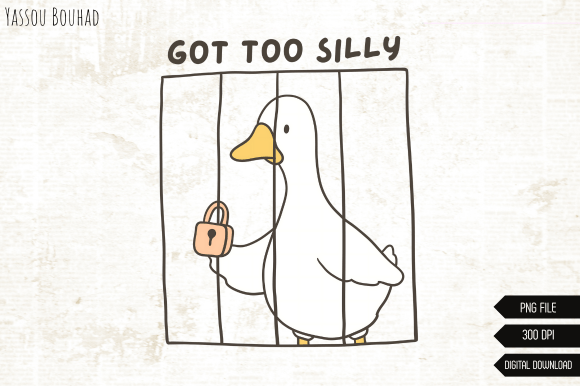
You know the feeling. The design is almost there—clean, professional, maybe even a little safe. Then you see it. A stock vector of a goose with a deranged glint in its eye, captioned "Got Too Silly." It's not just a graphic; it's a mood, a statement, a tiny rebellion against the overly polished. This is the power of a niche, personality-driven asset like the Got Too Silly, Funny Silly Goose Png. It's more than a cartoon goose; it's a tool for injecting specific, relatable humor into projects that need a spark of chaotic energy.
Decoding the Visual Personality
Let's break down what makes this particular silly goose png effective. At its core, it's a hand drawn silly goose design, which immediately gives it a human, approachable quality over a sterile, computer-generated vector. The style leans into meme-style goose art—think exaggerated expressions, dynamic poses, and that signature "off the rails" vibe. This isn't a dignified, realistic bird; it's goose with attitude png personified.
The quirky animal sublimation appeal lies in its versatility. The transparent PNG format, rendered at a high resolution of 6400x6400 pixels at 300 DPI, means it's built for serious output. You can scale it for a massive framed artwork or shrink it for a sticker without losing quality. The chaotic goose graphic style translates across mediums because the humor is visual and immediate. It's lighthearted bird humor that doesn't require a lengthy caption to land.
Strategic Applications Beyond the T-Shirt
The obvious use is the funny shirt design goose. But limiting this asset to apparel is like using a premium serif font only for body text. Its true value is unlocked when you think about context and audience.
For brand identity in specific niches—think a quirky brewery, a indie game studio, or a podcast about internet culture—this viral animal png can become a mascot or a recurring visual gag. In packaging design, a subtle wild goose clipart element on a box flap or a bottle label can create a moment of delight for customers. For editorial design, it's a perfect goose joke clipart for a blog post about burnout, a newsletter header, or a magazine feature on modern humor.
In digital design, the silly goose energy png shines. Use it as a custom emoji in a community Discord, a reaction GIF alternative in email marketing, or a featured image for a social media graphics campaign. The key is pairing it with intentional typography. A sans serif font with clean lines can ground the goofy goose design, while a script font can amplify its playful side for a greeting card or party invite.
Making It Work: Practical Design Guidance
Using a graphic this bold requires some finesse. Here’s how to integrate the Got Too Silly, Funny Silly Goose Png effectively:
- Evaluate Project Fit: This is not for a law firm's annual report. Its strength is in projects that value approachability, humor, and a touch of the absurd. It's perfect for small business owners selling on Etsy, content creators building a personal brand, or crafters making personalized gifts.
- Master the Font Pairing: The goose is the star; your typography is the supporting cast. Avoid overly ornate or competing display fonts. A sturdy serif font can add unexpected sophistication, while a simple handwritten font can keep the vibe cohesive. Let the goose humor png carry the joke.
- Consider Visual Hierarchy: Use the goose as a focal point or a clever accent. If it's the main event, keep other elements minimal. If it's supporting text, ensure the readability of your message is paramount. The design shouldn't fight with its context.
- Commercial Licensing is Key: This asset is listed for commercial use goose png projects. Always verify the license. The included file—a single, high-res transparent PNG—is straightforward, but understanding what you can (and cannot) do with it for resale is non-negotiable for professional work.
Ultimately, a design element like the unhinged goose png works because it taps into a shared cultural moment. It's a piece of modern typography and graphic design that acknowledges we communicate in memes and relatable absurdity. Used with intent, it's not just a silly picture; it's a strategic tool for connection, humor, and making your project memorably human.